Advancing ALS Research: Talk on Progression Prediction at “Skeletal Muscle in ALS”

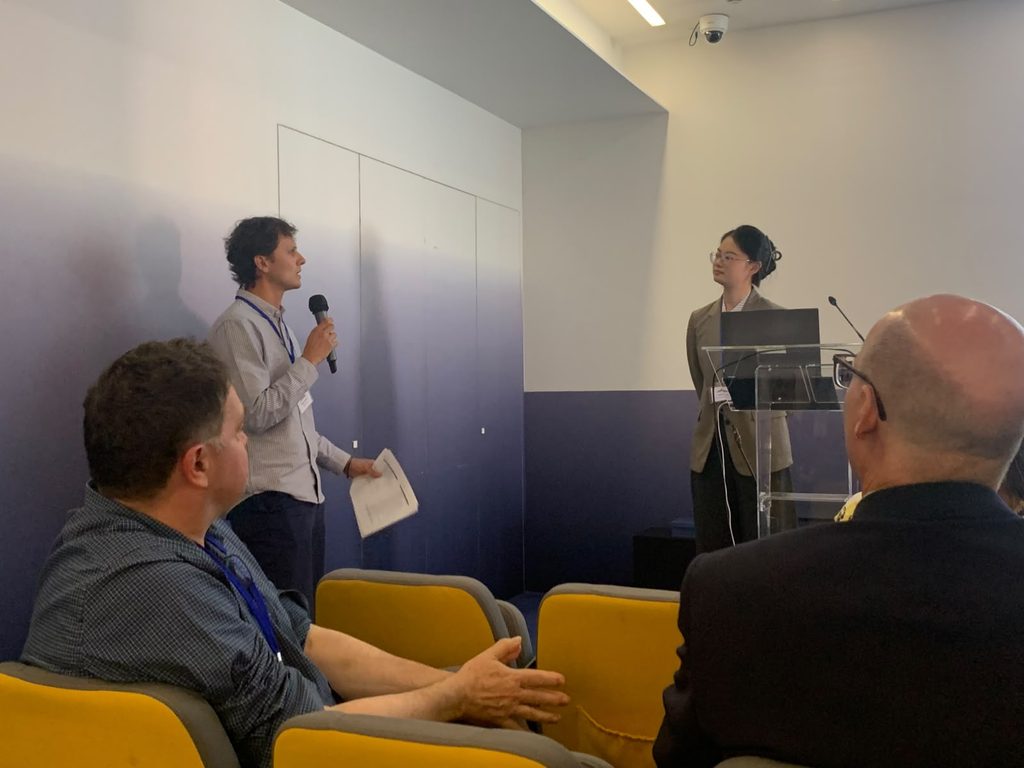
On September 25–26, our group is taking part in the international conference “Skeletal Muscle in ALS – Mechanisms, Biomarkers, and Therapeutic Perspectives”, held in Padova and organised by ASLA APS, with Gianni Sorarù, Maria Pennuto, Manuela Basso and Matteo Zanovello as members of the organising committee. The conference brings together researchers and clinicians to discuss the role of skeletal muscle in ALS, from disease mechanisms and biomarkers to emerging therapeutic strategies.

As part of the session “Muscle Biomarkers in ALS”, our group leader Barbara Di Camillo will present the talk “Toward reliable and responsible ALS progression prediction: development and external validation of clinical models”, focusing on the development of computational approaches for reliable prediction of ALS progression.

The conference highlights the increasingly interdisciplinary nature of ALS research, connecting neurology, molecular biology, biomarker research and data-driven approaches to better understand disease progression and support more personalised strategies. 

We warmly thank the organisers for the invitation and for creating this opportunity for exchange across different areas of ALS research.

SysBioBiG at the XLV GNB Annual School on Generative Artificial Intelligence

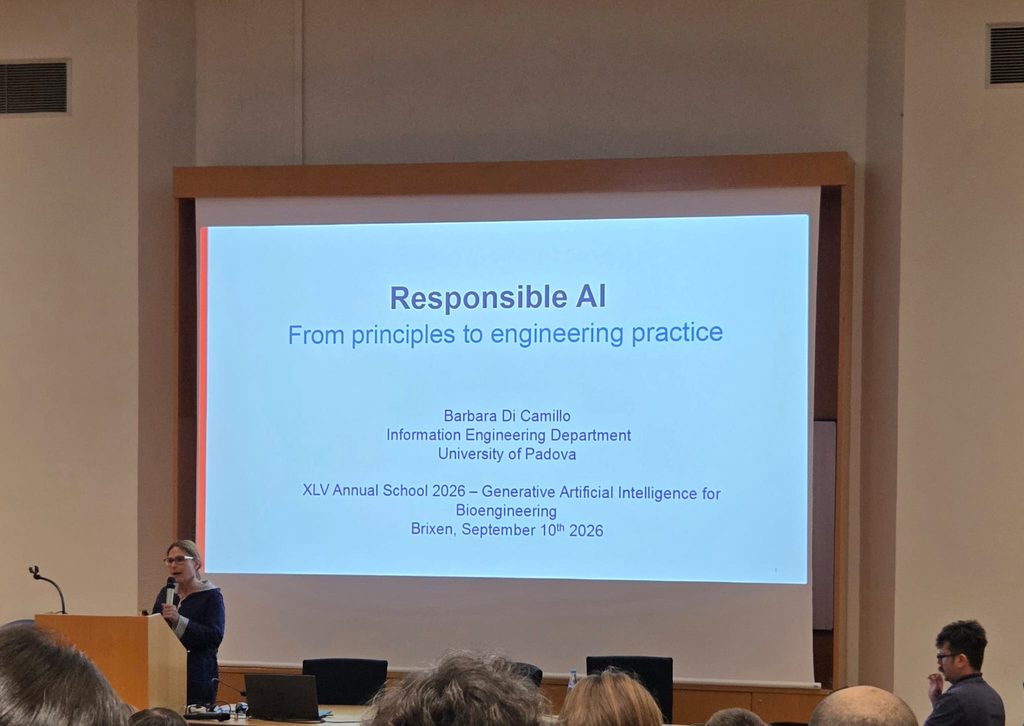
Last week, Barbara Di Camillo, Davide Dei Cas, and Sergio Gaiotti from our research group attended the XLV GNB Annual School – “Generative Artificial Intelligence for Bioengineering” in Brixen.

The school explored the methodological and practical applications of Generative AI in bioengineering, including data analysis, biological modelling, experimental design, and scientific communication.

🎤During the school, Barbara delivered a lecture on Responsible AI, focusing on data quality, model validation and generalisation, interpretability, and human oversight.

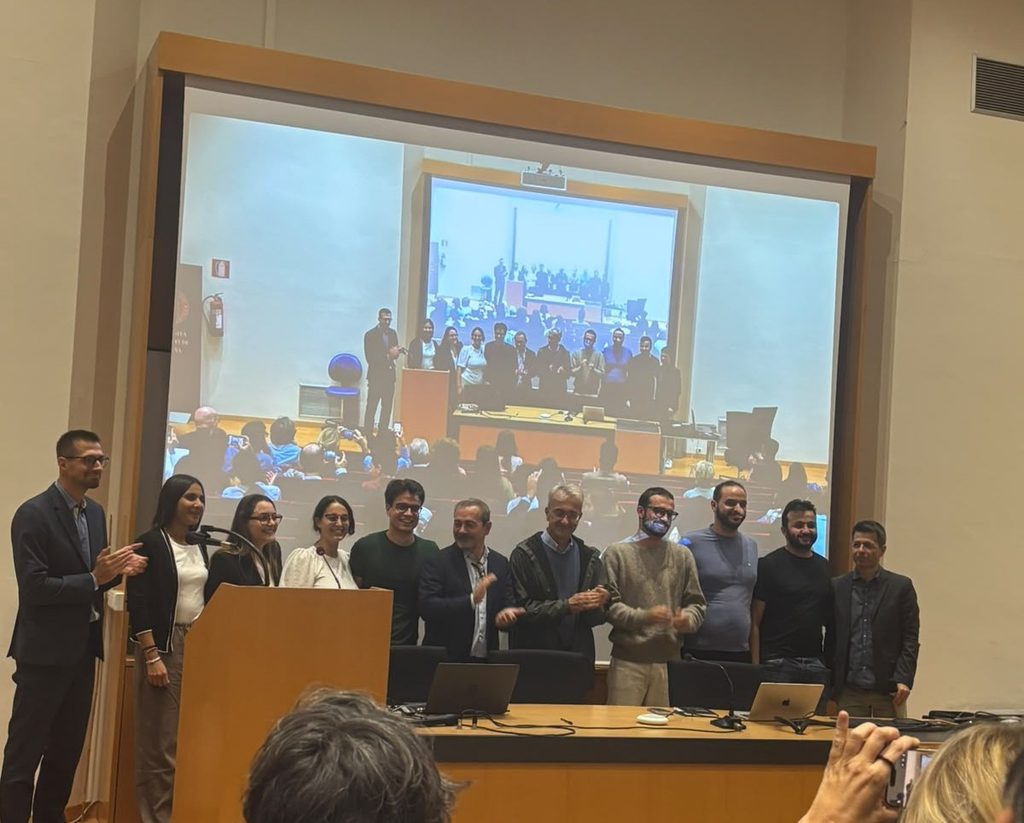
💻🏆Davide and Sergio participated in the school and in the hands-on challenge. The week ended with a great result: Davide’s team won the challenge with a project on generating dermatoscopic images from conventional clinical images of skin lesions.

The school was a valuable opportunity to deepen our knowledge of Generative AI, reflect on its responsible use, and exchange ideas with researchers from different areas of bioengineering.

SysBioBiG at CIBB 2026 in Rome

Our research group participated in the 21st Conference on Computational Intelligence Methods for Bioinformatics and Biostatistics (CIBB 2026), held in Rome from September 2 to 4, 2026.

During the conference, our PhD student Sergio Gaiotti presented the contribution “Treatment persistence drives estimator performance in longitudinal causal inference based on observational data: A simulation study”, authored by Sergio Gaiotti, Sara Poletto, Enrico Longato, Erica Tavazzi, and Martina Vettoretti.

The work, developed within the European REDDIE – Real-World Evidence for Decisions in Diabetes project, investigates how treatment dynamics influence the performance of causal inference methods for longitudinal observational data. In particular, the study highlights the role of treatment persistence in determining the behaviour of baseline and longitudinal estimators, showing that treatment dynamics can have a greater impact than functional complexity on estimator performance.

We thank the session chairs and the CIBB 2026 organisers for the stimulating discussion and for another great edition of a conference that has long been a regular appointment for our group.

SysBioBiG at DEILeaks 2026

🚀 We are excited to take part in DEILeaks – ResearchBeyondExams, an initiative giving Bachelor’s and Master’s students the opportunity to discover ongoing research activities and meet research groups working across different scientific fields.

During the event, our team have presented the activities of the SysBioBiG Research Group at the Department of Information Engineering, focusing on research in Bioinformatics and Health Informatics 🧬 💻

Two Research Contributions from Our Group Presented at ATTD 2026

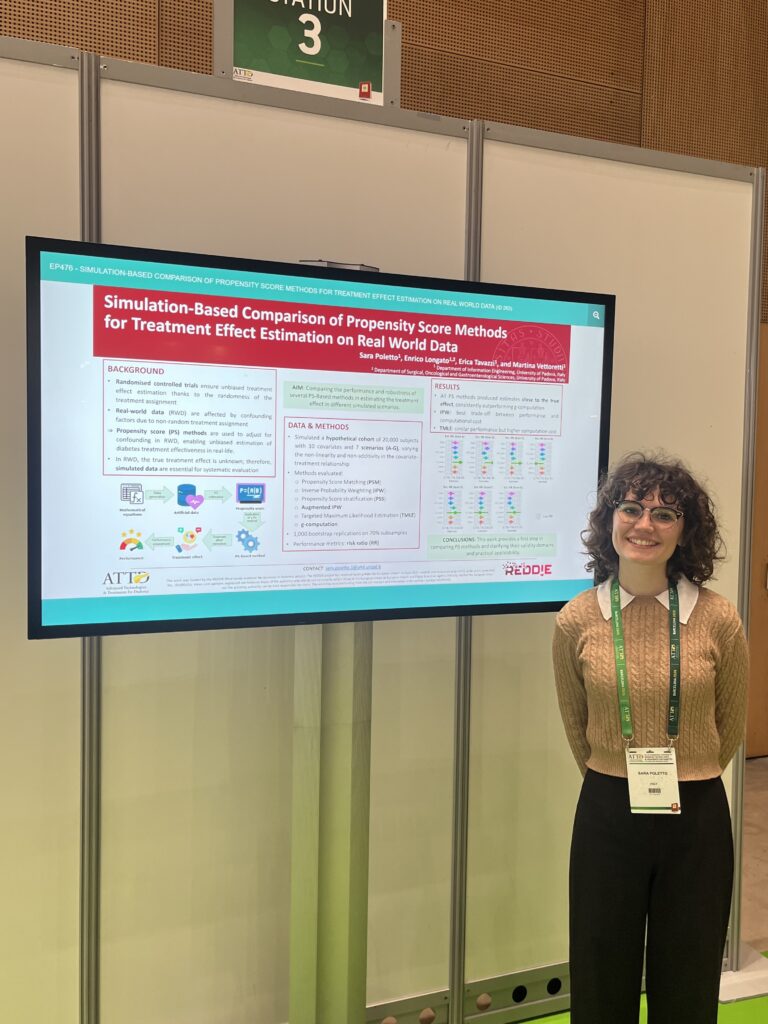
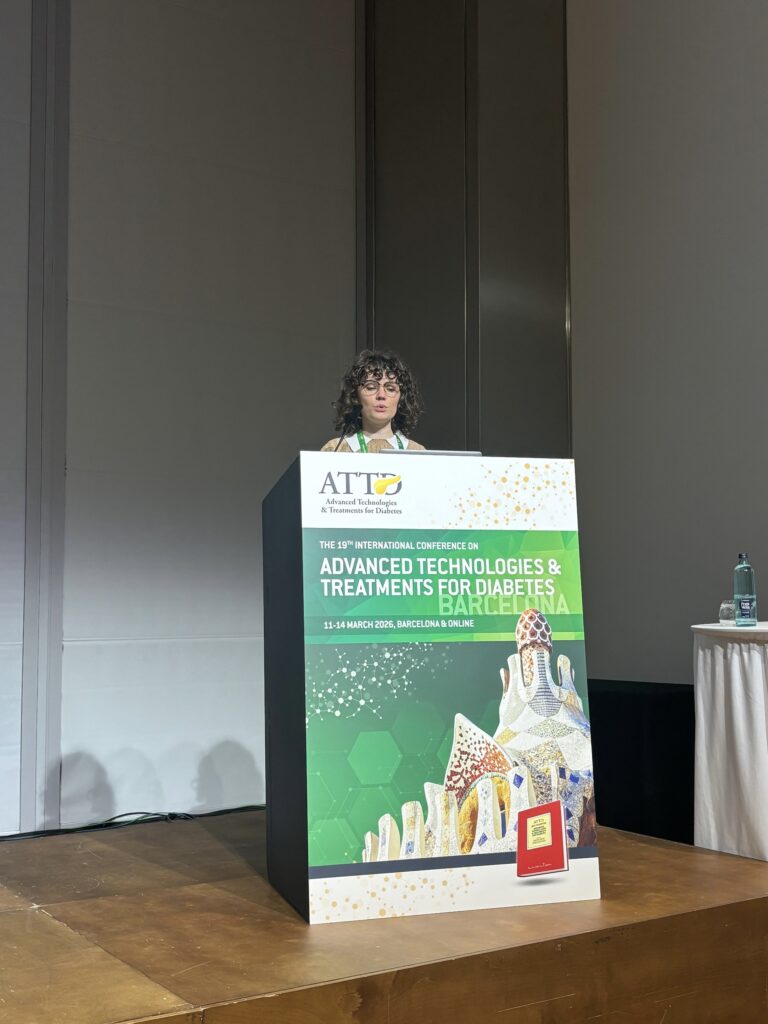
Last week, our research group had the opportunity to take part in the 19th International Conference on Advanced Technologies and Treatments for Diabetes (ATTD 2026), held in the fascinating city of Barcelona, Spain.

During the conference, our PhD student Sara Poletto presented two research contributions developed within the framework of the European project REDDIE, which we are proud to be part of.

Advancing research in diabetes is essential to improve prevention, management, and quality of life for millions of people worldwide, and we are excited to contribute to this collective effort.

Participation in the UNIPD Annual Event of the DARE Initiative

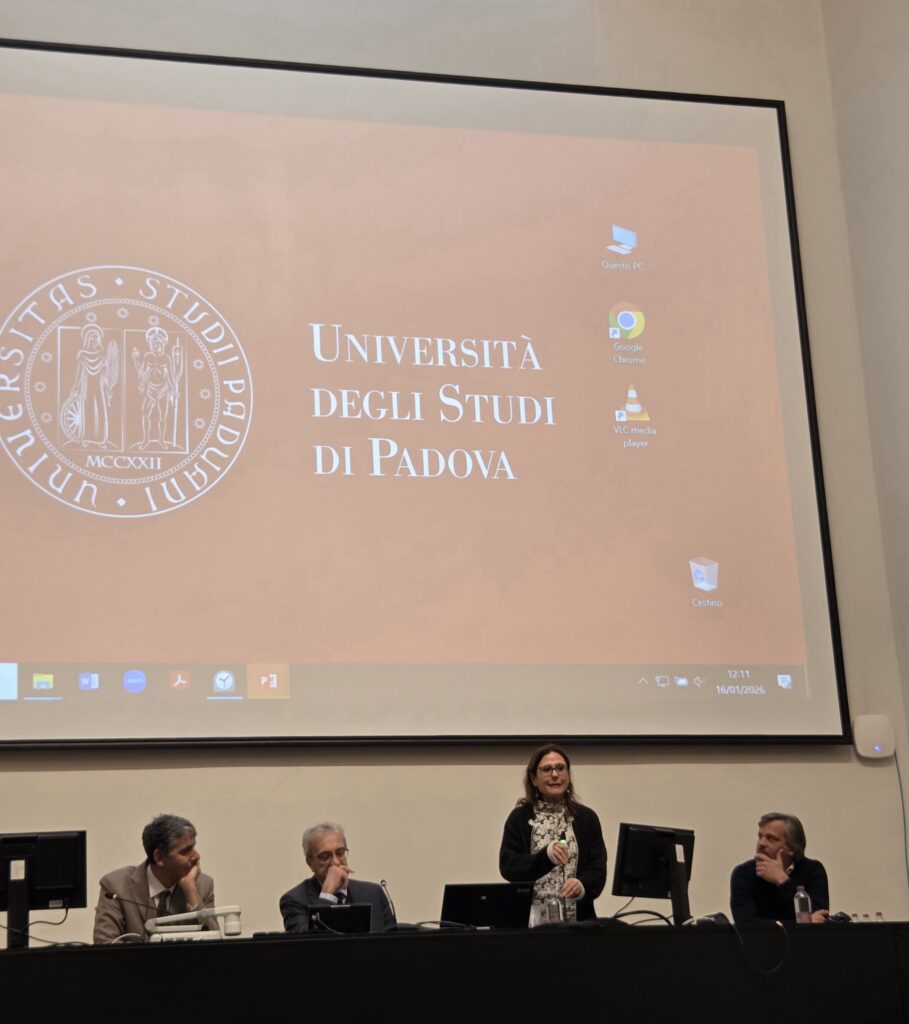
On 16 January 2026, the “Guido Petter” Conference Hall at the School of Psychology hosted the annual meeting dedicated to the UNIPD’s activities within the DARE (DigitAl lifelong pRevEntion) initiative. The event featured an overview of the ongoing DARE projects led by UNIPD researchers, a seminar delivered by the Arsenal.IT consortium on the secondary use of healthcare data, and two roundtable discussions designed to encourage multidisciplinary exchange.

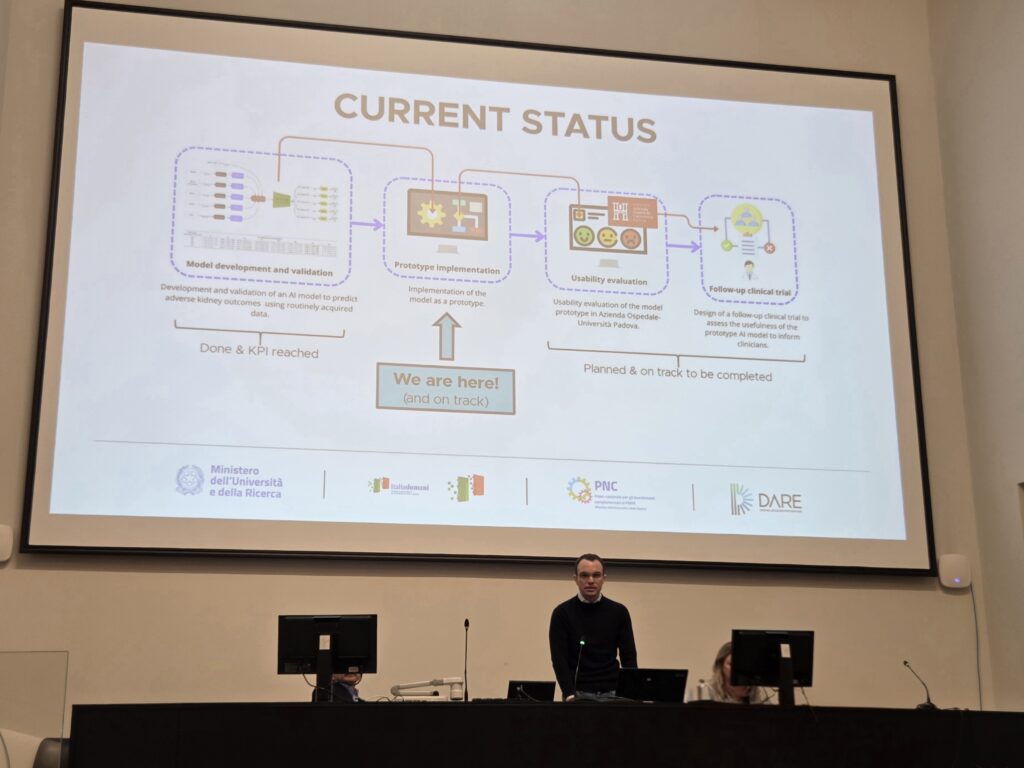
During the meeting, Professor Barbara Di Camillo took part in an insightful roundtable discussion entitled “From Research to Healthcare Practice: Working Together for New Perspectives in Prevention.” In addition, our researcher Enrico Longato presented the current progress of Work Package 3, Task 3.3a, entitled “Digitally-Empowered Management of Type 2 Diabetes: From Diagnosis to the Prediction of Complications.”

Overall, the meeting provided an important opportunity to exchange ideas, strengthen collaborations, and gain a comprehensive view of the diverse and innovative contributions of UNIPD within the DARE initiative.

Our Research Group at AI@DEI 2025 – From Research to Industry

Last week our research group took part in AI@DEI 2025 – From Research to Industry, the annual event organised by the Department of Information Engineering (DEI) of the University of Padova and the Regional Innovation Network IMPROVENET, with the support of UniSMART.
The initiative aims to strengthen the dialogue between academia and industry, showcasing concrete applications of Artificial Intelligence across a wide range of sectors, from computer vision to predictive maintenance, industrial decision-making, robotics, automation, and conversational technologies.

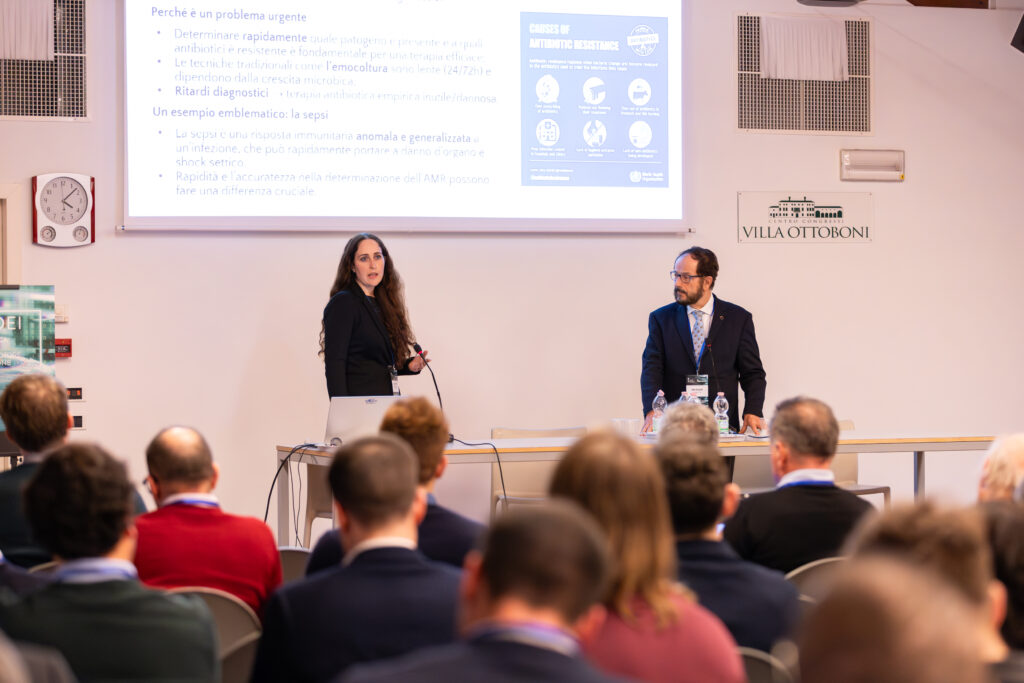
As part of the programme, our researcher Erica Tavazzi delivered the presentation: “Fondo Italiano per le Scienze Applicate: AI e diagnostica avanzata nella partnership DEI–AB Analitica contro l’antibiotico resistenza”.

The talk, prepared together with Dino Paladin (AB Analitica), introduced READY – Responsive Early Antibiotic resistance Detection and therapY, the project funded by the Italian Applied Sciences Fund (FISA) and launched this year. READY focuses on integrating AI, automation, and advanced diagnostics to support the early detection of antimicrobial resistance.

We warmly thank DEI, IMPROVENET, and UniSMART for organising the event, as well as all participating companies and colleagues for the productive exchange of perspectives.
A special acknowledgement goes to Sara Brugnerotto, whose photos beautifully captured the atmosphere of the day.

New article on realistic tumoral sample simulation published in BMC Bioinformatics!

🚀 We’re excited to share that our latest paper is now published in BMC Bioinformatics: MOV&RSim: computational modelling of cancer-specific variants and sequencing reads characteristics for realistic tumoral sample simulation, https://doi.org/10.1186/s12859-025-06292-0

📊 We developed MOV&RSIM, a novel simulator that leverages data-driven information to set variants and reads characteristics, producing realistic tumoral samples, and providing full control on biological and technical parameters. Additionally, we leveraged well-annotated variant databases to create cancer-specific presets that inform the simulator’s parameters for 21 cancer types.

🔍 The proposed simulator and presets represent the most adaptable and comprehensive computational framework currently available for generating tumor samples, enabling comprehensive benchmarking and, ultimately, the optimization of somatic variant callers across diverse cancer types.

👥 This research is the result of a collaboration between our group and AB ANALITICA srl. Congratulations to the first author, Dr. Francesca Longhin, who developed MOV&RSim during her doctoral studies in our research group!

🔗 The tool is freely available on gitlab at: https://gitlab.com/sysbiobig/movarsim

CONVECS @ HPCSIM2025

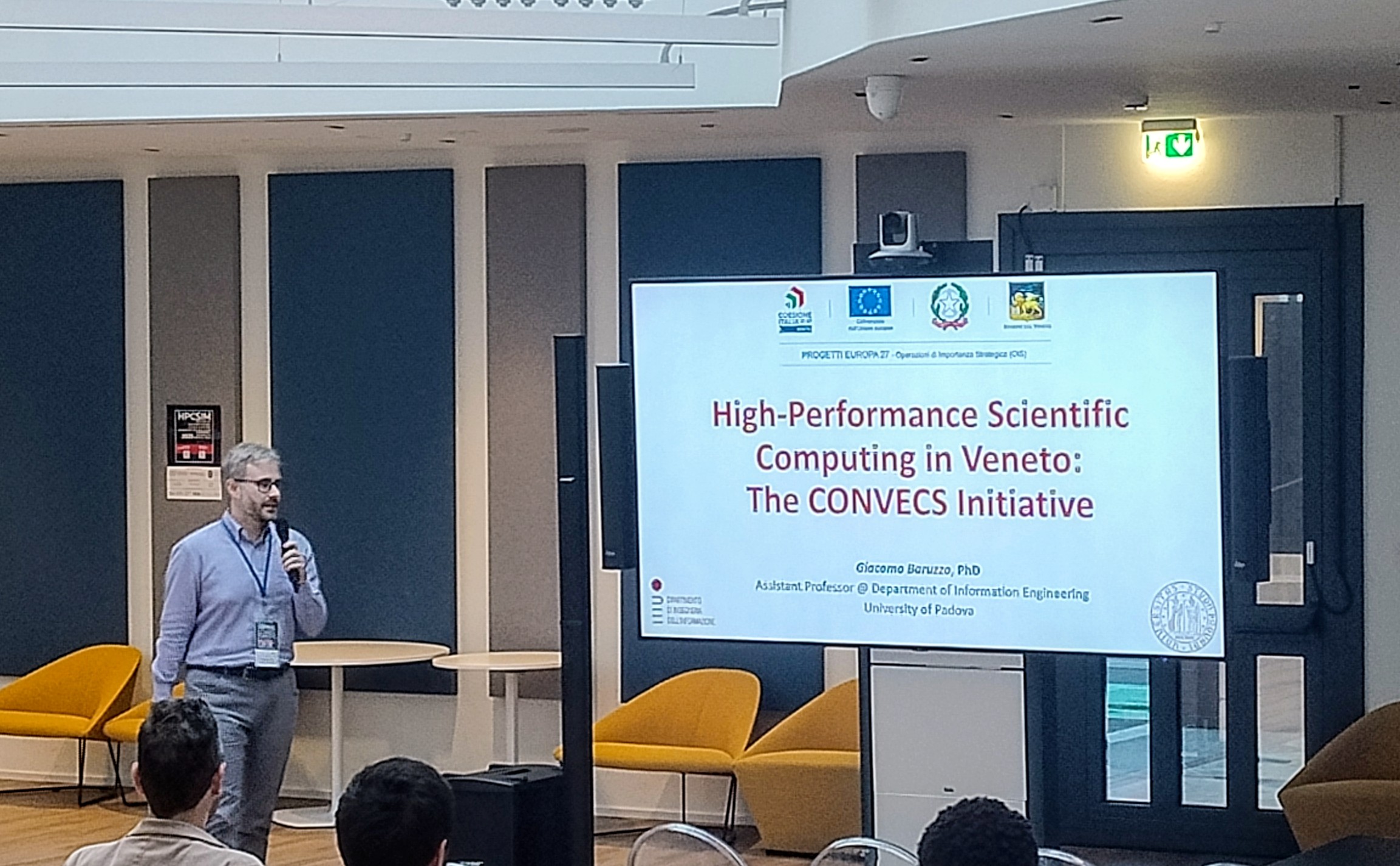
Last week, Giacomo attended HPCSIM25 – Frontiers of High-Performance & Cloud Computing in Modeling and Simulation, held in Padova, Italy, on September 11–12, 2025.

The event focused on the latest methodologies and technologies in the field of High-Performance Computing (HPC), offering researchers and practitioners an overview of the current landscape and future directions of HPC in both real-world applications and scientific research.

Giacomo delivered an oral presentation titled “High-Performance Scientific Computing in Veneto: The CONVECS Initiative”, introducing the CONVECS project (COmuNità VEneta per il Calcolo Scientifico) where he is responsible for leading multiple core tasks. This initiative, recognized as an Operation of Strategic Importance by the Veneto Regional Government, aims to enhance, consolidate, and interconnect the HPC infrastructures currently available across universities and research laboratories in the Veneto region. Its goal is to create a unified, scalable computing environment accessible to both academic researchers and technology-driven enterprises, driving measurable impact in science, industry, and society.

Sysbiobig @ CIBB2025

Last week we attended the 20th Conference on Computational Intelligence Methods for Bioinformatics and Biostatistics (CIBB2025) in Milano from September 10th to 12th, 2025.

We’re proud to share that our group contributed to the scientific program with three oral presentations showcasing our recent research efforts:

🧠 Piero Mariotto, Ilaria Patuzzi, Giada Innocente, Barbara Simionati, Barbara Di Camillo, Giacomo Baruzzo “A network science-based approach to unveil the effects of faecal microbiota transplantation in enteropathic dogs” (great collaboration with EuBiome srl)

📊 Federico De Mori Bajolin, Anna Maria Bianchi, Erica Tavazzi “A multivariate deep-learning approach for stratifying Amyotrophic Lateral Sclerosis patients based on temporal dynamics“


💉 Davide Dei Cas, Barbara Di Camillo, Gian Paolo Fadini, Giovanni Sparacino, Enrico Longato “The impact of clinical history on the predictive performance of machine learning and deep learning models for renal complications of diabetes“

Systems Biology and Bioinformatics Group
Privacy Overview

This website uses cookies so that we can provide you with the best user experience possible. Cookie information is stored in your browser and performs functions such as recognising you when you return to our website and helping our team to understand which sections of the website you find most interesting and useful.